Words Ending in Y for Kids
Words ending in y have y as their final written letter: happy, play, and sky. Words Ending in Y for Kids: Examples and Activities groups these words by sound and meaning for reading, spelling, pronunciation, and use. Final y sounds differ in happy, fly, day, and toy. Children need examples, spelling patterns, and recall practice. Start with familiar words in small sets.
How the Final Y Sounds
At a word’s end, y can act like a vowel. In cheery, funny, and family, it sounds like ee; in my, fly, and shy, like eye. It forms ay in day and oy in toy.
Use Words Ending in Y for Kids: Examples and Activities as a lesson plan: say each word, have your child repeat it, then sort it by pronunciation. Keep spelling visible because rhyming words can end differently. Sky and pie rhyme, but only sky ends in y.
- Final “ee” sound: baby, busy, easy, family, funny, happy, hungry, sleepy
- Final “eye” sound: cry, dry, fly, my, reply, shy, sky, try
- Final “ay” sound: day, gray, play, stay, Sunday, yesterday
- Final “oy” sound: annoy, boy, enjoy, joy, toy
Stretch the final sound: “happ-ee,” “fl-eye,” “d-ay,” or “t-oy.” This highlights pronunciation without turning practice into a technical phonics lesson.
A Useful Starter Set
For home practice, Words Ending in Y for Kids: Examples and Activities should connect to daily life. Begin with words your child can point to, act out, or use in a sentence. Teach meaning before spelling rules.
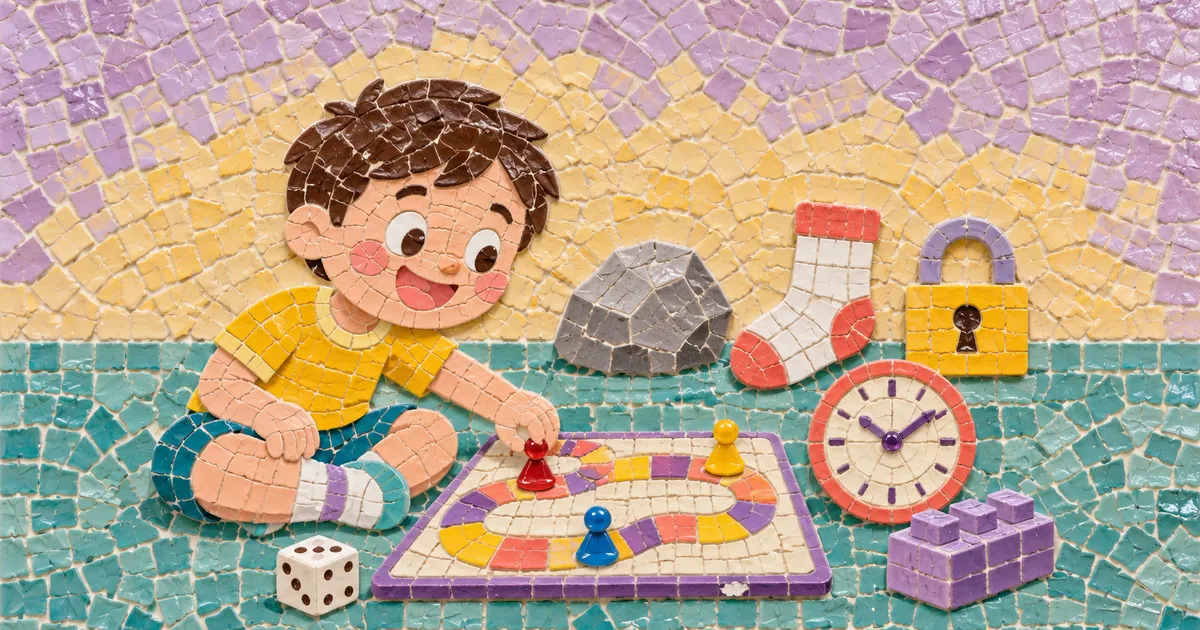
Teach six to eight words sharing a meaning or sound. A weather set: sunny, rainy, cloudy, snowy, windy, and dry. A feelings set: merry, hungry, sleepy, shy, silly, and worried.
Putting the Words into Context
Build meaning through short sentences: “The baby is sleepy.” “My toy is noisy.” “We play on a sunny day.” Then change one part: “The baby is hungry,” or “We stay inside on a rainy day.”
Older children can connect ideas: “I was worried because I could not find my key.” They can compare words: “This bag is heavy, but that one is easy to carry.”
Ask for one true and one imaginary sentence. “My family lives in a city” may be true; “A tiny berry can fly” is imaginary. Classifying each sentence checks meaning and grammar.
Activities for Different Ages
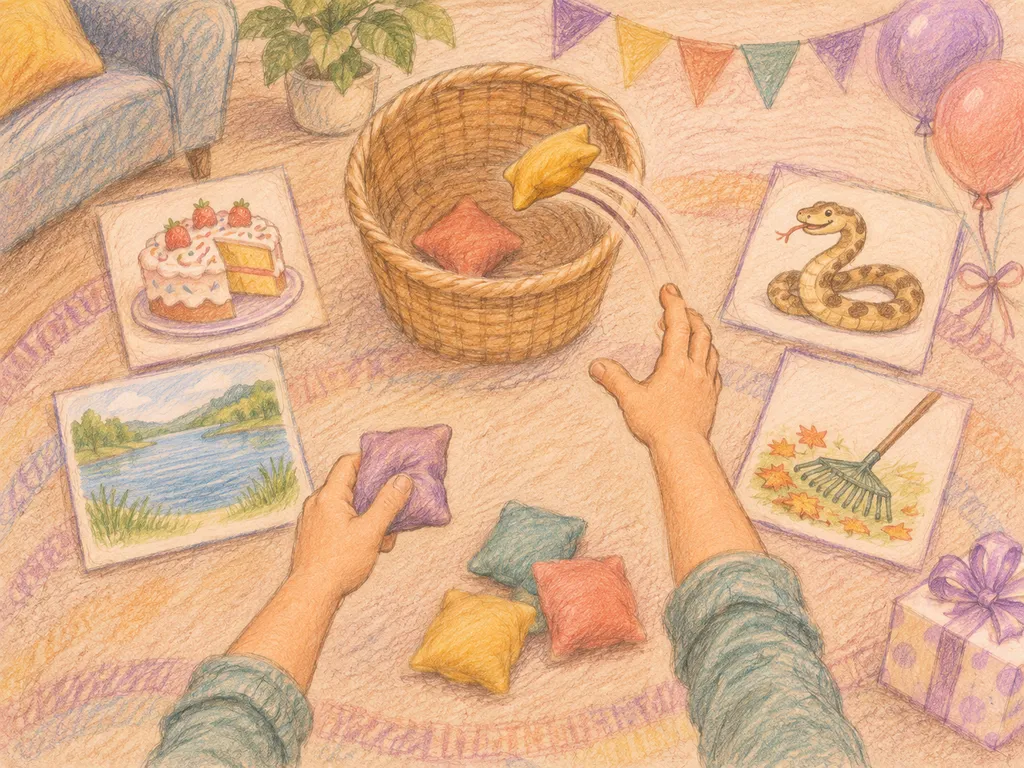
Turn Words Ending in Y for Kids: Examples and Activities into a five-minute routine. For school-age kids, place a toy, key, and sky picture on a table. Say a word; your child touches the match. Repeat it together.
For school-age kids, make a sound sort. Write words on cards under four headings: sleepy, fly, day, and toy. Your child matches each final sound. Request a sentence after every third card to reinforce meaning.
For school-age kids, add spelling and word building. Give a base word—happy, carry, or play—then ask for happier, carried, or played. In online lessons, LearnLink tutors can tailor practice to reading level and explain each spelling change.
Short Practice That Builds Recall
Use a four-step cycle: look, say, cover, use. Your child looks at the word, says it, covers it, then writes a sentence. Return minutes later without showing the word. Delayed recall tests memory better than copying.
Finish the Y-word Challenge
Complete these sentences with a word ending in y: “The sun is out, so the day is ___.” “I cannot lift the box because it is ___.” “Please put your books away and keep the desk ___.” “The bird can ___ across the sky.” Possible answers: sunny, heavy, tidy, and fly. Ask your child to explain each choice.
Review the same words two or three days later in a new format. Change picture naming to sentence writing, or a spoken sentence to a missing-word puzzle. A multilingual child may give the home-language meaning before returning to English.
Spelling Changes and Common Mistakes
Final y does not always keep its sound or spelling. Teach one contrast at a time. After a consonant, y changes to i in plural and verb forms. After a vowel, y stays.
Correct overcorrections such as “toies,” “plaied,” or “happys.” Circle the letter before y. A preceding vowel in toy or play signals that y stays. Irregular forms exist, so treat the pattern as guidance, not a universal rule.
- Practice changing consonant-y nouns to plurals with ten picture cards.
- Compare vowel-y words like boy and toy in a six-word chart.
- Use two colored pencils to mark y-to-i changes in a favorite book.
- Correct five misspelled words aloud, explaining each spelling rule before rewriting.
- Finish with a one-minute spelling challenge and praise every explained correction.
For the rule wording, British Council LearnEnglish Kids is a useful reference while the practice examples here stay adapted for children.
Frequently Asked Questions About Words Ending in Y
How Many Words Should My Child Learn at One Time?
Words Ending in Y for Kids: Examples and Activities provides a starting set, but teach only six to eight words per session. Use fewer for unfamiliar or difficult words. Continue when your child can explain and use most without prompts.
Why Does the Final Y Have Different Sounds?
Y can represent a vowel by itself, as in jolly or fly, or join another letter in ay and oy. English spelling reflects different periods and sources, so final y does not map to one sound. Sound sorting reveals the patterns.
When Should My Child Change Y to I?
Teach the main pattern first. After a consonant, final y often changes to i before es, ed, er, or est: babies, tried, happier, and happiest. After a vowel, y remains: toys, played, and staying. Check examples instead of guessing by sound.
Can My Child Use Another Home Language During Practice?
Yes. A quick translation, picture, or gesture can confirm meaning, especially for children new to online learning. Return to English for pronunciation and sentences. When a family speaks multiple languages, compare them without demanding word-for-word matches. Connect each English word to its meaning and accurate use.
Use these takeaways in the next short practice session:
- Start with six to eight familiar words and group them by meaning or pronunciation.
- Practice each word aloud, then use it in a short, true sentence.
- Try a spelling change or recall game, and review the words again after two or three days.
Start your child's English journey today — book a trial lesson with LearnLink.
Stay updated on our latest tips and resources by following us on Instagram LearnLink.