Soft C and Hard C for Kids
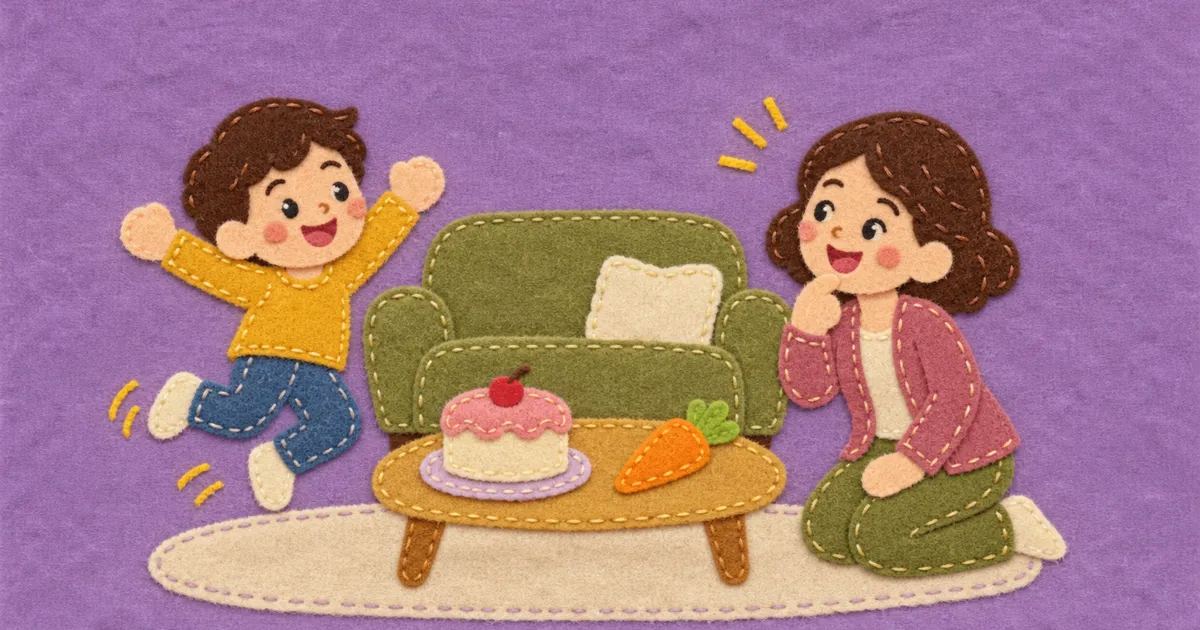
The consonant c has two sounds: soft c sounds like /s/ in city, while hard c sounds like /k/ in cat. Soft C and Hard C for Kids: A Practical Guide shows how the following character helps a child choose the sound. Children learn one short rule, test familiar words, and practise exceptions without memorising long lists.
The Two Sounds Children Need to Hear
Start with sound, not spelling. Ask your child to say sun and city. Both start with /s/. Next, compare kite with cat. Both begin with /k/. This consonant can represent either sound without changing shape.
When using Soft C and Hard C for Kids: A Practical Guide, keep the labels clear. A soft c makes /s/; a hard c makes /k/. Let your child stretch the first sound in cent and cold. Hearing the contrast prepares the child to apply the spelling rule instead of guessing.
The Simple Spelling Rule
The rule depends on the character after c. Before e, i, or y, c is soft: cent, city, and cycle. Before a, o, u, another consonant, or at a word’s end, it is hard: cat, cold, cup, clap, and picnic.
Look one position ahead before saying the sound. Soft C and Hard C for Kids: A Practical Guide supports real reading: find c, check what follows, choose /s/ or /k/, and blend the word. The table provides a quick reference.
The rule works when the final e is silent. In face, race, and ice, the child does not pronounce e, but it still makes the preceding c soft.
How to Read an Unfamiliar Word
Teach a four-step routine: point to c, identify the following character, apply the expected sound, and blend the word. For cabin, a follows c, so the child tries hard c: /k/ + abin.
For cereal, e follows c, making soft c the first choice. In circus, the first c is soft before i, while the second is hard before u. Children must inspect each c separately.
Keep Soft C and Hard C for Kids: A Practical Guide beside short reading tasks. If your child reads candle correctly, continue. After a pause, point to what follows c and ask, “Which sound would you try first?” The prompt builds independent reading.
Useful Spelling Patterns
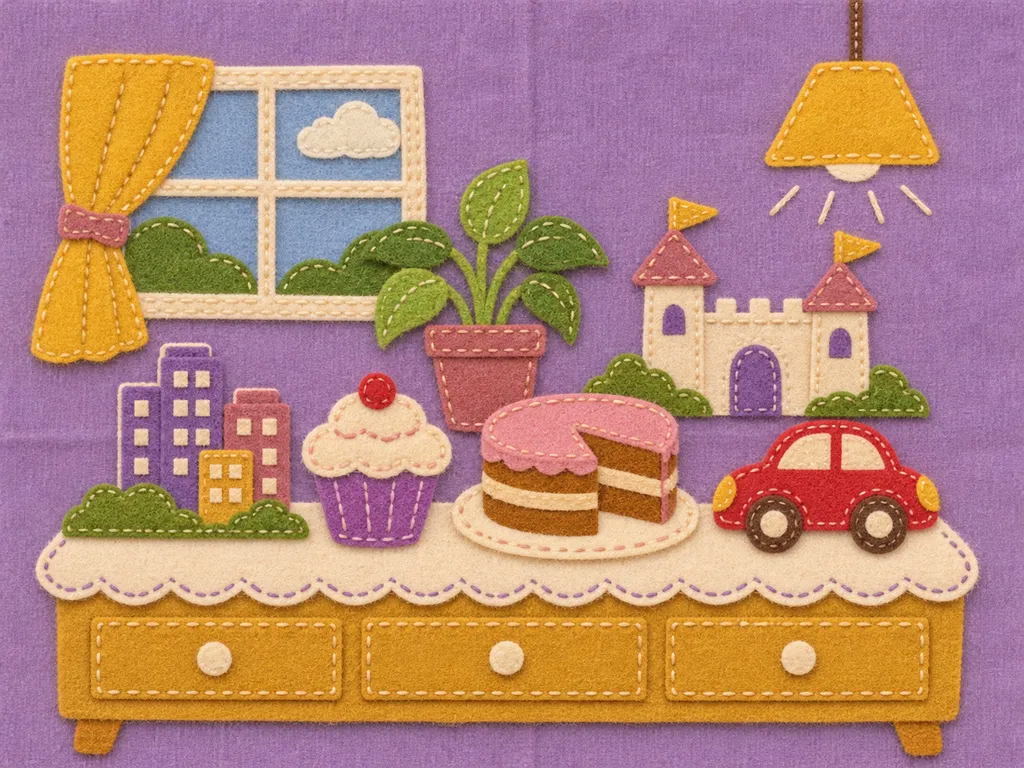
The rule supports spelling. In city, the i explains why c represents /s/. Before a, o, or u, English often uses s for /s/, as in sand, sock, and sun.
Word families reinforce the pattern. Compare race, races, and racing; c stays soft before e or i. In picnic and picnics, each c stays hard. Ask your child to mark the following character and apply the rule.
Older learners can compare electric with electricity. The final c in electric is hard, while the corresponding c in electricity is soft before i. Soft C and Hard C for Kids: A Practical Guide serves early readers and learners studying longer word families.
Common Mistakes and Exceptions
A frequent mistake is teaching that c “always” has one sound before a given character. The rule predicts many words, but English includes borrowed words, names, and special spelling groups. In ocean, c sounds like /sh/; in cello, it starts with a sound like /ch/. Learn these words as exceptions.
Children may inspect the character before c instead of the one after it. Cover the word, then reveal c with what follows it: ce, ci, cy, ca, co, or cu. This focuses attention on the sound clue.
Another mistake is expecting accurate spelling once a child hears the contrast. Reading and spelling are separate skills. Let the child sort and read words first, then add dictation and correct one pattern at a time.
Practice Activities at Home or in Lessons
Short, repeated practice beats one long drill. Mix reading, sorting, speaking, and writing. Return to Soft C and Hard C for Kids: A Practical Guide after an error, but let the child explain the following-character clue before answering.
Choose the Sound
Read each word and label the bold letter c as soft or hard: coin, centre, cube, circle, icy, camera, music, cycle. Answers: hard, soft, hard, soft, soft, hard, hard, soft.
Ask your child to sort household labels, book titles, or school-text words into two columns. Discuss words from any language the child knows, but apply the English rule only to English words. Multilingual children may know that a single character can represent different sounds across languages.
Complete and Explain
Add c to complete each word, read it, and name the clue: _ity, _at, fa_e, _old, _ycle, _up. Answers: city—soft before i; cat—hard before a; face—soft before e; cold—hard before o; cycle—soft before y; cup—hard before u.
Finish with one short sentence containing a soft-c word and another containing a hard-c word. A younger learner might write, “I ride a cycle” and “The cat is cold.” An older learner can combine both sounds: “The circus came to our city.”
- Try sorting ten word cards into soft C and hard C groups.
- Practice reading six C words aloud with children ages six to eight.
- Use a favorite picture book to find five examples of each sound.
- Play a two-minute sound hunt, circling soft C words in blue.
- Review mistakes by saying each word slowly, then writing it once.
When a word has several meanings or pronunciations, Cambridge Dictionary is a useful check before turning it into child-friendly examples.
Frequently Asked Questions
Does C Always Sound Soft Before E, I, or Y?
No. The letter c is soft before e, i, or y in many words, making /s/ the best first choice. English has exceptions and other patterns. In cello and ocean, c does not follow the basic two-sound rule.
When Should a Child Learn Soft and Hard C?
Start after a child recognises letter sounds and blends short words. No specific school year is required. Introduce Soft C and Hard C for Kids: A Practical Guide through familiar words such as cat, cup, city, and face, then progress to longer words.
How Can I Help If My Child Keeps Mixing up the Sounds?
Ask your child to circle c and underline the next letter. Say both possible sounds, then let the child choose before blending. Use six to eight words, mixing soft and hard examples. If errors continue, compare sounds orally: city–sun and cat–kite.
Should Children Memorise Every Exception?
No. Teach the rule as the first reading choice, then learn frequent exceptions when they appear. Limit the exception list to words your child encounters. Our tutors separate regular patterns from unusual words so learners can explain each difference.
Can This Rule Help with Spelling as Well as Reading?
Yes, but the rule provides a clue, not a complete answer. A child hearing /s/ before e, i, or y can consider c, as in cent, city, or cycle. Begin with reading, then add sorting, short dictation, and patterned sentences.
A short one-to-one lesson can show what level and pace fit your child — book a trial English lesson.
Stay updated on our latest tips and resources by following us on Instagram LearnLink.