-Ock Word Family Words and Activities for Kids
The -ock spelling pattern has three fixed final letters and a shared rhyme in words such as lock, sock, clock, and block. This -ock Word Family: Words and Activities for Kids guide starts with four to six examples children can hear, say, read, and spell. For a child who speaks two or more languages, compare sounds when needed while keeping the English model consistent. Connect sound, spelling, meaning, and use before adding words.
Core Words to Teach First
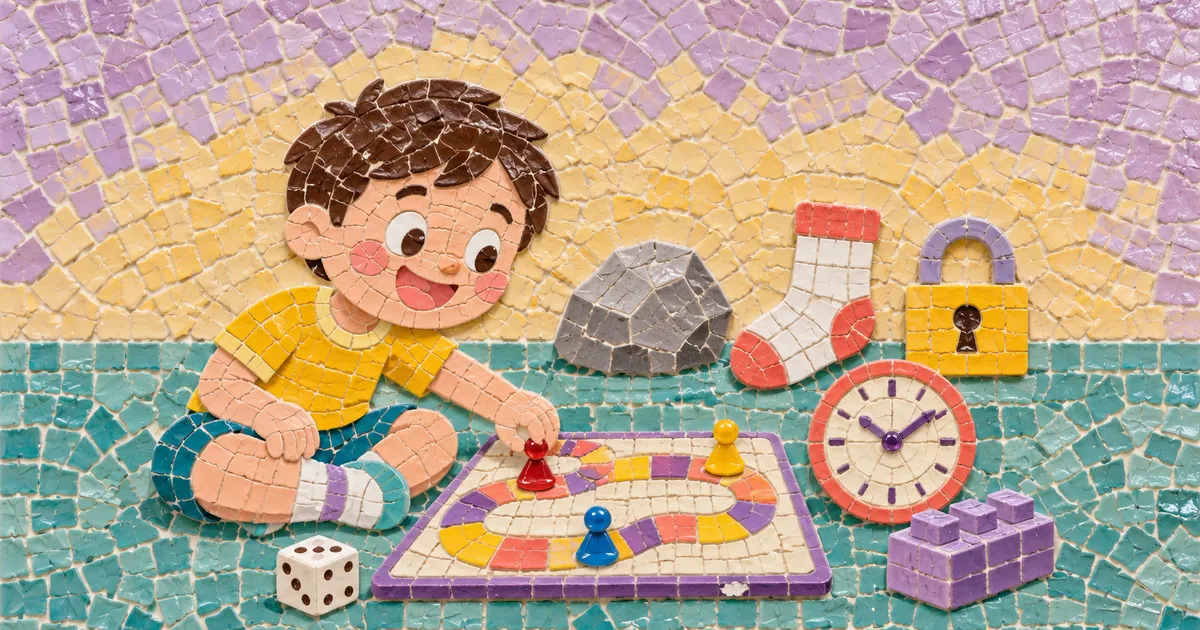
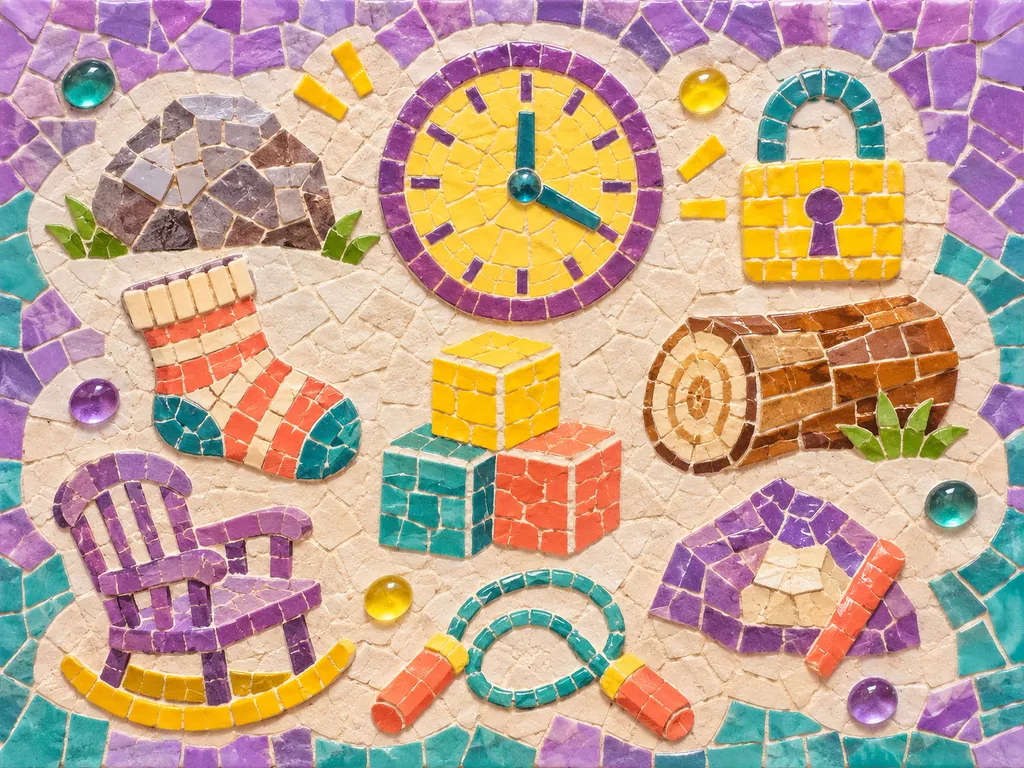
Begin with words children can picture or act out. Lock, sock, clock, block, dock, and knock suit object and action practice. Flock, shock, stock, mock, and frock introduce richer meanings for older or more confident learners.
Keep the -ock Word Family: Words and Activities for Kids set manageable. Introduce four to six words, practise them aloud, and expand the set once your child recognises the spelling without picture clues.
How the Spelling Pattern Works
The ending -ock stays fixed while the beginning changes: l in lock, s in sock, and d in dock. Words may begin with two consonants, as in block, clock, flock, and stock. Ask your child to blend the parts: “l” plus “ock” becomes “lock.”
Knock needs separate attention. Its first letter is written but silent, so the word starts with the same sound as nose. Skip long rule explanations. Say the word, show its spelling, and ask your child what looks unusual.
The -ock Word Family: Words and Activities for Kids pattern combines sound and position. Rocket begins with a related sound and contains similar letters, but it neither ends in -ock nor rhymes with clock. The contrast teaches children to sort by the full pattern instead of isolated matching letters.
Using the Words in Context
A child knows a word more deeply after using it in a sentence. Read each example aloud, discuss the meaning, and change one detail. “The sock is wet” can become “It is blue” or “My footwear is dry.” Small changes develop vocabulary and grammar together.
- Turn the key in the lock.
- The smooth rock is beside the path.
- I found one sock under the bed.
- The clock shows eight o’clock.
- The yellow block fell from the tower.
- A small boat waited at the dock.
- A flock of birds flew over the field.
- Please knock before you open the door.
- The loud sound gave us a shock.
- The shop has pencils in stock.
Use the sentences as models rather than scripts. Ask one direct question after each sentence: “What was smooth?” or “Where did the boat wait?” A younger child may answer with one word. An older child can give a full sentence or explain another meaning, such as rock music or a building block.
Activities for Different Ages
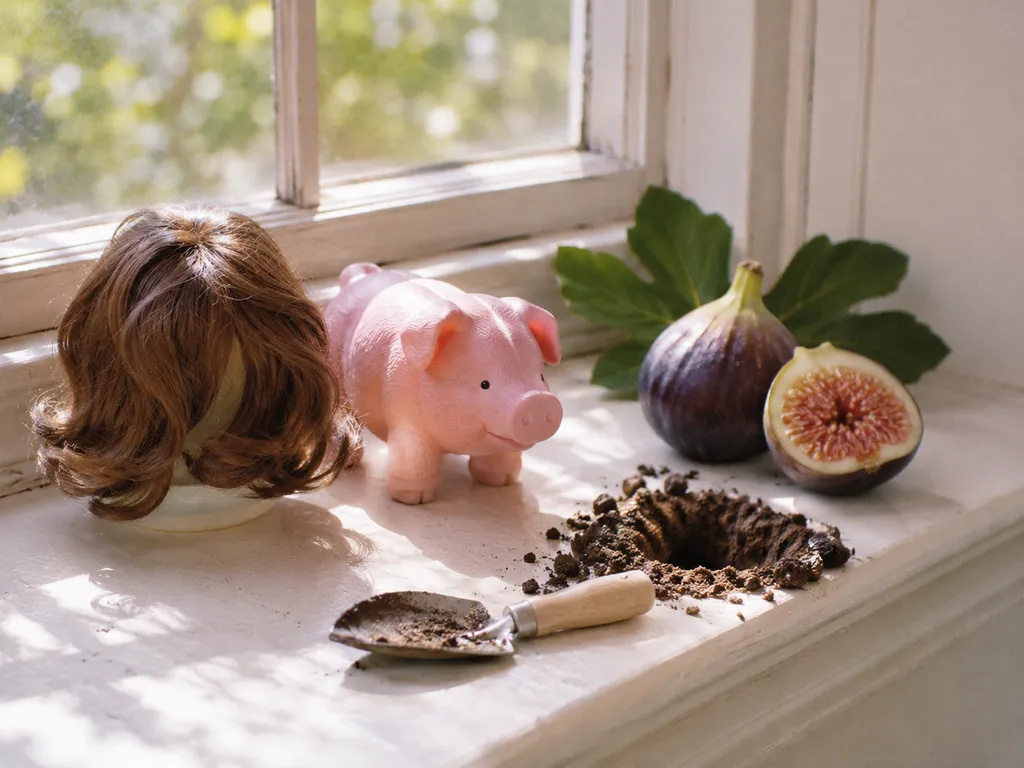
For school-age kids, teach through objects, pictures, and movement. Place a piece of footwear, a block, and a picture of a stone on a table. Say one word and ask your child to point. Next, hide an item and ask what is missing. Use the -ock Word Family: Words and Activities for Kids material mainly for listening and speaking at this stage.
For school-age kids, write word beginnings on separate cards and add one -ock card. Your child can build lock, block, clock, and dock, then add the matching clothing word and read each one. Mix real words with playful non-words and ask, “Is this a word we use?” The question tests decoding without presenting every invented form as correct.
For school-age kids, focus on meaning and word choice. Compare a stock of food with an item in stock, or a hard stone with the music meaning of rock. Ask your child to write a short dialogue using four target words. Multilingual learners may compare how their other languages express the ideas while keeping the English spelling visible.
Three-minute Rhyme Check
Say three words: sock, sun, and rock. Your child identifies the two rhyming words and explains their meanings. Continue with clock, block, and boat; then knock, nose, and stock. Finish with one sentence using a chosen word.
A Simple Practice Routine and Common Mistakes
Use a short routine two or three times across the week. First, say and blend four words. Next, match each word to an object, action, or meaning. Then read two sentences and write one. On the next day, shuffle the order so your child reads the spelling instead of recalling positions.
Across LearnLink lessons, our tutors adjust tasks to each child’s age, reading skill, and attention span. Apply the principle at home: reduce difficulty when errors pile up, then add a small challenge when answers come from memory.
- Reading each letter alone: model the ending as one familiar chunk, then blend it with the opening sound.
- Adding an extra sound: clock ends once; it should not sound like “clock-k.”
- Forgetting the silent letter: display knock beside a familiar clothing example so your child sees that rhyming words need not have identical beginnings.
- Overusing the pattern: explain that hearing the rhyme does not allow spellings such as “rok” or “stok.”
Review meaning as carefully as spelling. A child who reads flock but cannot connect it with a group has decoded the word without learning its meaning. Ask for a quick drawing, gesture, definition, or sentence. Each response tests understanding better than repeated copying.
- Try five -ock words with children ages five to seven today.
- Use a picture book to spot rock, clock, block, and an -ock item you can wear.
- Practice blending each onset with -ock for three minutes slowly.
- Build four rhyming words with letter tiles, then read them aloud.
- Avoid adding extra sounds; model each word once and let children repeat.
When a word has several meanings or pronunciations, Cambridge Dictionary is a useful check before turning it into child-friendly examples.
Frequently Asked Questions
How Many -Ock Words Should My Child Learn at Once?
Start with four to six words, especially lock, clock, block, dock, and the common clothing term. Add the rest after your child reads the first set and explains each meaning. The -ock Word Family: Words and Activities for Kids guide provides choices, not a list for one sitting. A smaller group supports focused practice and exposes confusion.
Is Knock Part of the -Ock Word Family If the K Is Silent?
Yes. Knock shares the spoken rhyme and written -ock ending found in lock and other family members. Its opening differs because k is silent. Teach knock after your child knows the starter words. Say knock and lock together, then show both spellings. The comparison highlights the rhyme and silent letter.
What If Our English Accent Changes the Vowel Sound?
Use the natural English accent spoken in your family or learning setting. Vowel quality differs across regions, but these words share a consistent rhyme within one accent. Do not ask your child to copy an unfamiliar accent. Focus on accurate speech, stable spelling, and recognising the shared ending and rhyme across the set.
When Is My Child Ready for Another Word Family?
Move on when your child reads multiple -ock words in a new order, connects them with their meanings, and uses at least a few in sentences. Perfect spelling is not required before another pattern. Keep two or three -ock words in later reviews while introducing a family such as -ack or -ick. Mixing familiar and new patterns strengthens attentive reading.
- Start with four to six words and check that your child understands each meaning.
- Practice hearing, blending, reading, and using the words in short sentences.
- Review the set in a new order before introducing another word family.
If your child needs steady speaking practice, start small — choose a trial lesson.
Stay updated on our latest tips and resources by following us on Instagram LearnLink.