-Ig Word Family for Kids
-ig Word Family for Kids: Words and Activities teaches words sharing the short i and final g sounds, including big, dig, pig, and wig. Children keep the ending and change the opening sound to read or build a new word. This pattern develops listening, decoding, spelling, and speech. Begin with familiar words, objects, or pictures. Add harder words after your child understands them. For multilingual children, focus on the English vowel contrast, not a specific accent.
Core Words to Learn First
In -ig Word Family for Kids: Words and Activities, start with big, dig, pig, and wig. Add fig, jig, gig, rig, twig, and sprig as your child gains confidence.
The table pairs each word with a meaning and practice phrase. Explain unfamiliar vocabulary with a picture, object, or action.
Gig, rig, and sprig may need more explanation than pig or big. Present each with a photo or real example. Children should understand a word before applying its spelling pattern.
Examples in Context
When using -ig Word Family for Kids: Words and Activities, begin with short sentences: “The pig is big.” “We dig in the sand.” “She has a red wig.” Ask your child to match each sentence to a picture, act out the verb, or draw the meaning.
Next, connect the words in a playful scene: “The big pig wears a wig. It does a jig near the fig tree. A twig falls beside it.” Read the scene aloud, then pause before each -ig word for your child to supply it.
Older children can compare sounds and meanings. Gig can mean a performance or brief job. Rig can name equipment or mean setting something up. These distinctions extend word-family practice for older learners.
How to Teach the Sound and Spelling
The routine in -ig Word Family for Kids: Words and Activities begins with the shared sound. Say /ig/ as one chunk, not the letter names “I-G.” Let your child hear the /ɪ/ vowel followed by /g/.
Add an opening sound: /p/ plus /ig/ makes pig; /d/ plus /ig/ makes dig. Say the parts slowly, then blend without a long pause. After two examples, give the opening sound and ask your child to finish the word.
Move from speech to print once the pattern is secure. Write _ig, then place letter cards such as b, d, f, p, and w in the gap. Explain that twig and sprig place two or three opening consonants before the same -ig ending.
Activities for Different Ages
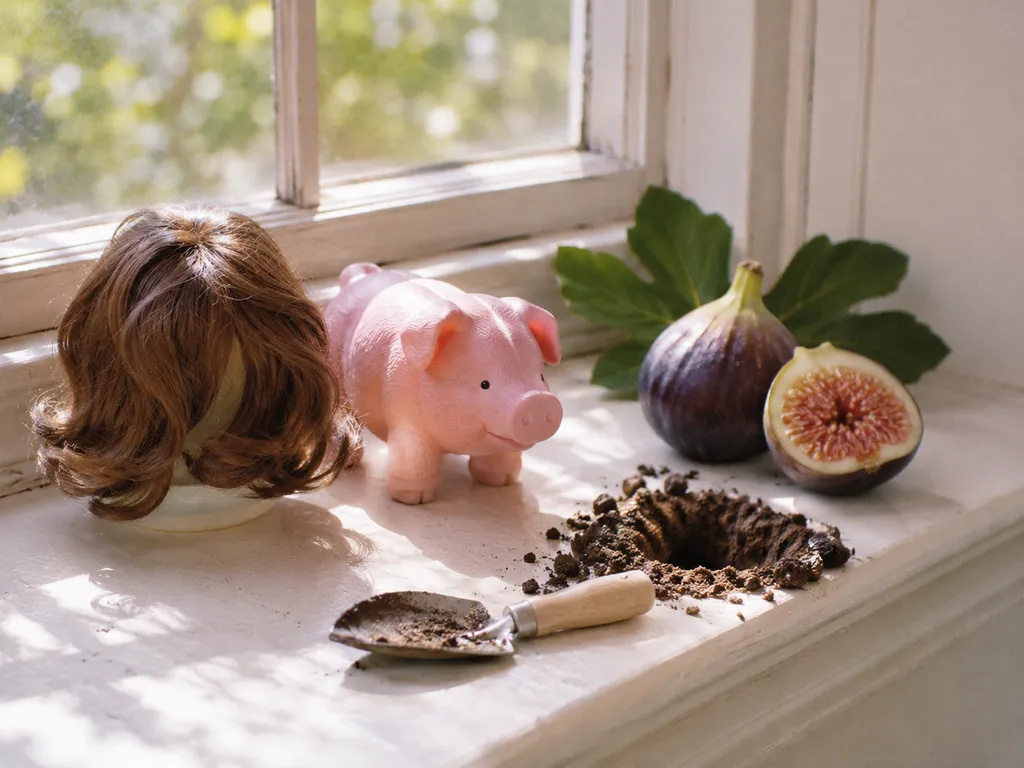
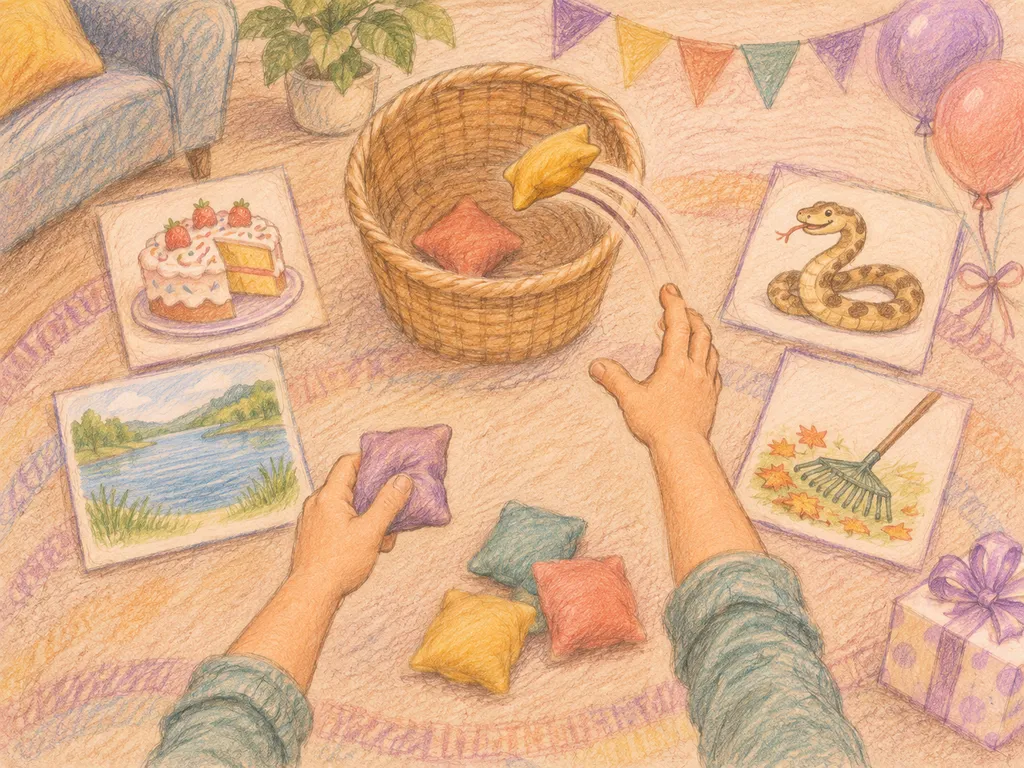
The sequence in -ig Word Family for Kids: Words and Activities adapts to different ages without changing the target pattern. Hide picture cards around a room. Your child finds each card, names the picture, and places it beside -ig.
Build a sentence ladder with school-age children. Begin with “A pig.” Add one detail per step: “A big pig.” “A big pig can dig.” “A big pig can dig by a twig.” Read the final sentence and replace one word to make a new version.
Older learners can practise speed, meaning, and word choice. Set a two-minute challenge to write accurate sentences with gig, rig, twig, and sprig. A multilingual child may explain the meaning in a home language first, then write the final sentence in English.
Rhyme Detective
Say one target word and two choices: “pig: wig or pen?” Your child selects the rhyme and explains the matching sound. Next, include a false friend such as high, sign, or tiger. These words share a letter or idea but not the /ig/ ending. Finish with a sentence containing both rhyming words.
Common Mistakes and Practical Fixes
Children may add a vowel after the final consonant and say “pig-uh.” Model the ending without an extra sound after /g/. Ask your child to hold a hand before the mouth and stop speaking when /g/ ends.
Another mistake is sorting by letters alone. High, sign, and tiger do not belong to the -ig family because they lack its ending sound. Say each candidate aloud before grouping it. Sound and spelling must agree.
A long list can test memory instead of meaning. Teach four or five words, practise them in speech, and review them later. Add vocabulary once your child can read the current set and explain or show each meaning.
- Try sorting six -ig words with children aged five to seven.
- Practice blending onset and rime aloud for five minutes daily.
- Use one decodable book to spot and underline every -ig word.
- Correct guessing by covering pictures and sounding out each letter first.
- Review pig, dig, big, wig, and fig with homemade cards.
When a word has several meanings or pronunciations, Cambridge Dictionary is a useful check before turning it into child-friendly examples.
Frequently Asked Questions
At What Age Can My Child Learn the -Ig Word Family?
Your child can begin oral rhyme games after noticing that two words sound alike. Reading is unnecessary at this stage. Use -ig Word Family for Kids: Words and Activities for listening and picture games, then add printed letters when your child is ready. Older beginners may progress faster, but the sound-first sequence still works.
How Many -Ig Words Should We Practise at One Time?
Begin with four or five familiar words: big, dig, pig, wig, and fig. Add a word when your child reads the set without guessing and uses each item in a meaningful phrase. A short set leaves time for blending, spelling, and speaking.
What If My Child Speaks More than One Language?
Other languages are an asset: your child already knows sound systems can differ. Compare the English /ɪ/ vowel with known sounds without forcing an exact match. Model the English word, show its meaning, and request a short phrase. Distinguishing words matters more than copying one regional accent.
How Can I Tell Whether My Child Is Ready for Another Word Family?
Your child is ready when they hear the shared ending, blend -ig words, read them in short sentences, and explain their meanings. Perfect speed is unnecessary. Keep two or three -ig words in later reviews while introducing a new family, so the earlier pattern stays active.
- Start with four familiar words and check that your child understands each meaning.
- Practice blending sounds, reading phrases, and building one complete sentence.
- Review two or three -ig words when you introduce the next word family.
Want to see how these ideas work in a real lesson — try a LearnLink trial lesson.
Stay updated on our latest tips and resources by following us on Instagram LearnLink.