A Guide to the “Ou” and “Ow” Sounds for Kids
The “ou” and “ow” Sounds: A Practical Guide for Kids explains a core phonics fact: ou and ow can spell the sound in out and cow, yet each team represents other sounds too. Children need patterns, examples, and repetition, not one universal rule. Start with the shared /aʊ/ sound, compare spelling positions, then introduce alternatives such as snow, soup, and young. This method strengthens reading and spelling choices.
📥 OU and OW Sound Practice Pack
Read, sort, spell, and review words with the /aʊ/ sound
Leave your email — we'll send the PDF to your inbox.No spam — the PDF plus one short reminder. Unsubscribe anytime.
What Children Need to Understand
Ou and ow are vowel teams: two letters working together within a syllable. In cloud and brown, they represent /aʊ/, the sound children recognise from saying “ow!” after a bump. Adults may name the symbol; children can listen, repeat, and compare words.
One spelling can produce different sounds. Compare out, soup, young, and could. Each contains ou but sounds different. Likewise, cow and snow share ow without rhyming.
The central message in The “ou” and “ow” Sounds: A Practical Guide for Kids is direct: treat spelling patterns as clues, then check the whole word. Multilingual children may notice different vowel systems across their languages. Treat the comparison as careful analysis, not an error.
Main Spelling Patterns and Examples
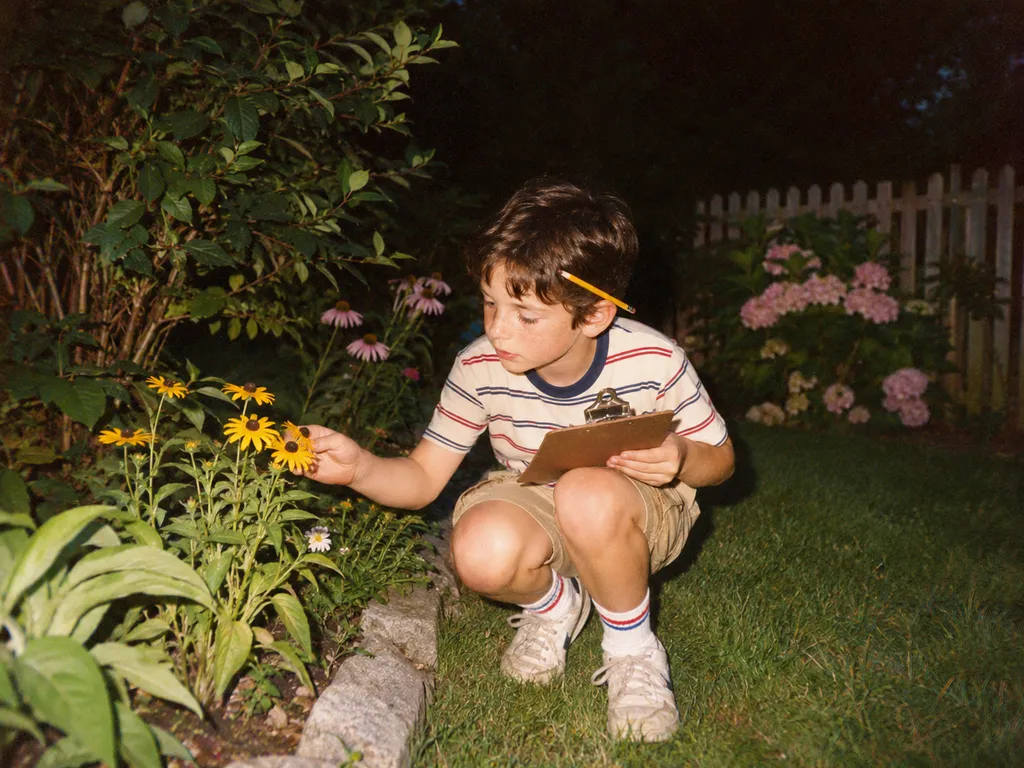
For /aʊ/, ou often appears within a word before another consonant: round, house, and loud. Ow often ends a word, as in how and now, or precedes n and l, as in town and owl. These patterns guide spelling but are not laws.
Use the table as a reading and spelling guide. Ask children to find the vowel team, say the word, and match its sound to an example. A reader can connect shout with out and glow with snow.
The examples in The “ou” and “ow” Sounds: A Practical Guide for Kids show the value of rhyme groups. Learning town, brown, and clown together builds stronger spelling memory than copying unrelated words.
How to Choose Between the Two Spellings
Begin with sound and position. For /aʊ/ within a word, ou is a reasonable first choice: sound, count, or cloud. At a word’s end, ow is likelier: now, how, or cow.
Next, find a known word family. Round, ground, and found share an ending; so do down, town, and brown. Word families replace fresh guesses with remembered spelling patterns.
Finally, check for exceptions or another sound. Position cannot explain soup, young, could, or snow. Mark these words in another colour, pronounce them, and review them in short groups. Dictionary audio can resolve uncertain pronunciation.
A Teaching Sequence That Builds Confidence
When families use The “ou” and “ow” Sounds: A Practical Guide for Kids at home, begin with listening. Say pairs such as out–owl, round–brown, and loud–crowd. Ask whether the middle sound matches before revealing the written words.
Reveal the spellings and sort words into ou and ow groups. Read each group, cover one word, and ask your child to rebuild it with letter cards or write it. Keep early sessions short to support accurate responses.
Move from reading to spelling after the sound becomes clear. During one-to-one lessons with LearnLink tutors, tutors adjust this sequence to the child’s level: younger learners point and sort, while older learners explain patterns, compare exceptions, and use words in sentences.
Common Mistakes and Useful Corrections
A child may write clowd because ow represents the correct sound. The attempt demonstrates sound awareness. Place cloud beside round and loud, then ask which known family matches the target.
Another error is reading every ow as /aʊ/. If snow rhymes with cow, contrast snow–grow with cow–how. Two short columns reveal the change without implying a universal pronunciation rule.
Children may force every ou word into the out pattern. The correction steps in The “ou” and “ow” Sounds: A Practical Guide for Kids separate regular forms from words requiring recall. Keep soup, young, could, and shoulder on a short review list until familiar.
Practice Activities
Mix listening, reading, and spelling. Younger children can say each word and point to its group. Older children can hide examples, write from memory, and explain their choice of ou or ow. Their reasoning remains valuable when the spelling needs correction.
Sort by Spelling and Sound
Place these words in three groups: ou as in out, ow as in cow, and ow as in snow. Words: cloud, grow, town, shout, yellow, mouth, brown, slow, round, how, window, loud.
Answer key: cloud, shout, mouth, round, loud; town, brown, how; grow, yellow, slow, window. Read each group aloud, then add one rhyming word where possible.
Complete the Words
Add ou or ow: cl__d, br__n, r__nd, sn__, m__th, gr__, t__n, sh__t. Then use two completed words in full sentences. Say each word before choosing the spelling.
Answer key: cloud, brown, round, snow, mouth, grow, town, shout. For a second round, dictate the words in a new order. If your child hesitates, give a rhyming clue before supplying the letters.
Finish with a word hunt in a familiar book. Search one page for ou or ow. Read each word in context, identify its sound, and record only two or three examples. Context distinguishes words such as row, whose pronunciation changes with meaning.
- Sort twelve picture cards into “ou” and “ow” sound groups together.
- Practice reading six “ou” words aloud with your seven-year-old twice.
- Use one familiar picture book to circle five “ow” words today.
- Play a three-minute sound hunt, finding four matching words around home.
- Write two silly sentences containing both spellings, then read them together.
For a second reference on this topic, Wikipedia — English Phonology is most useful when it supports the specific rule, word, or resource discussed here.
Frequently Asked Questions
These answers address frequent questions about the two vowel teams.
Can “Ou” and “Ow” Spell the Same Sound?
Yes. In out and cow, both spell /aʊ/. Spelling depends on the word and position, so sound alone cannot always identify the letters. Teach several patterns, then learn each exception as a whole word through reading, saying, covering, writing, and checking.
What Is the Simplest Rule for Choosing “Ou” or “Ow”?
The “ou” and “ow” Sounds: A Practical Guide for Kids offers this starting point: ou often appears inside a word, while ow often appears at the end or before n or l. The pattern is not guaranteed. Check known word families and learn could, soup, and shoulder separately.
Why Does My Child Spell “Cloud” as “Clowd”?
The spelling is logical: your child heard /aʊ/ and selected letters that can represent it. Place cloud beside loud, proud, and round to reveal the shared pattern. Ask your child to read the family, cover cloud, write it, and check the vowel team.
Do English Accents Change These Sounds?
Yes. English pronunciation varies by region, and words may sound different across accents. Your child need not copy one national accent. Aim for clear, consistent speech and accurate word recognition. When unsure, consult reliable dictionary audio and compare accepted accents.
At What Age Should Children Learn These Patterns?
Begin when words such as out, cow, and snow feel comfortable to read. Younger children can practise through listening games and picture sorts; confident readers can compare spellings and exceptions. Follow reading readiness, not a fixed birthday, and reduce the word set if accuracy falls.
Start your child's English journey today — book a trial lesson with LearnLink.
Stay updated on our latest tips and resources by following us on Instagram LearnLink.