English Articles for Kids: Rules for a and An
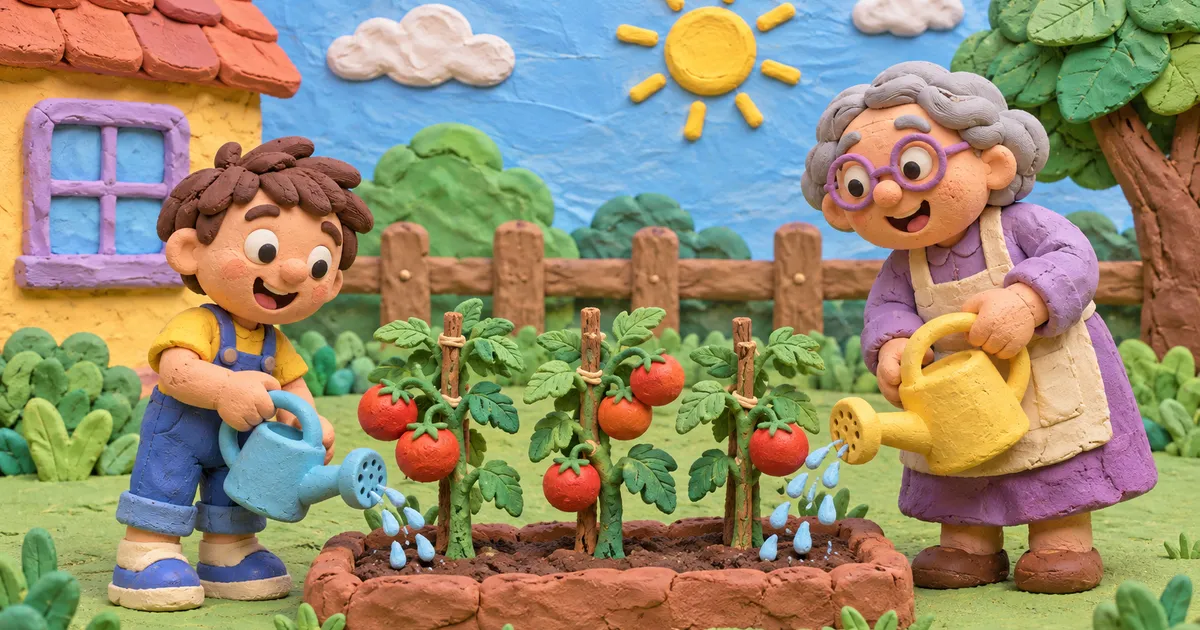
English has three articles: a, an, and the. English Articles: Easy Rules for A, An, and The starts with one distinction: use a or an for one non-specific countable thing, and the for something specific or known. The choice between a and an depends on pronunciation, not spelling. These words may challenge multilingual children because languages treat nouns differently. Examples, spoken practice, and brief games teach the pattern without long lectures.
📥 A, An, The: Article Practice Pack
A printable grammar workout for children learning when to use a, an, and the.
Leave your email — we'll send the PDF to your inbox.No spam — the PDF plus one short reminder. Unsubscribe anytime.
Why These Small Words Matter
Articles show which person, animal, place, or object a speaker means. Compare “I saw a dog” with “I saw the dog.” The first introduces one dog; the second identifies a dog known to the listener.
English Articles: Easy Rules for A, An, and The supports accurate communication. A missing article rarely stops conversation, so correct calmly. Repeat the full sentence—“Yes, you saw a cat”—so your child hears the pattern.
What This Guide Covers
Children need three core rules before learning exceptions. This table gives each article one defined job.
In English Articles: Easy Rules for A, An, and The, pronunciation decides between a and an. “University” begins with “yoo,” so we say “a university.” “Hour” begins with a vowel sound because the h is silent, so we say “an hour.”
A Step-by-step Teaching Approach
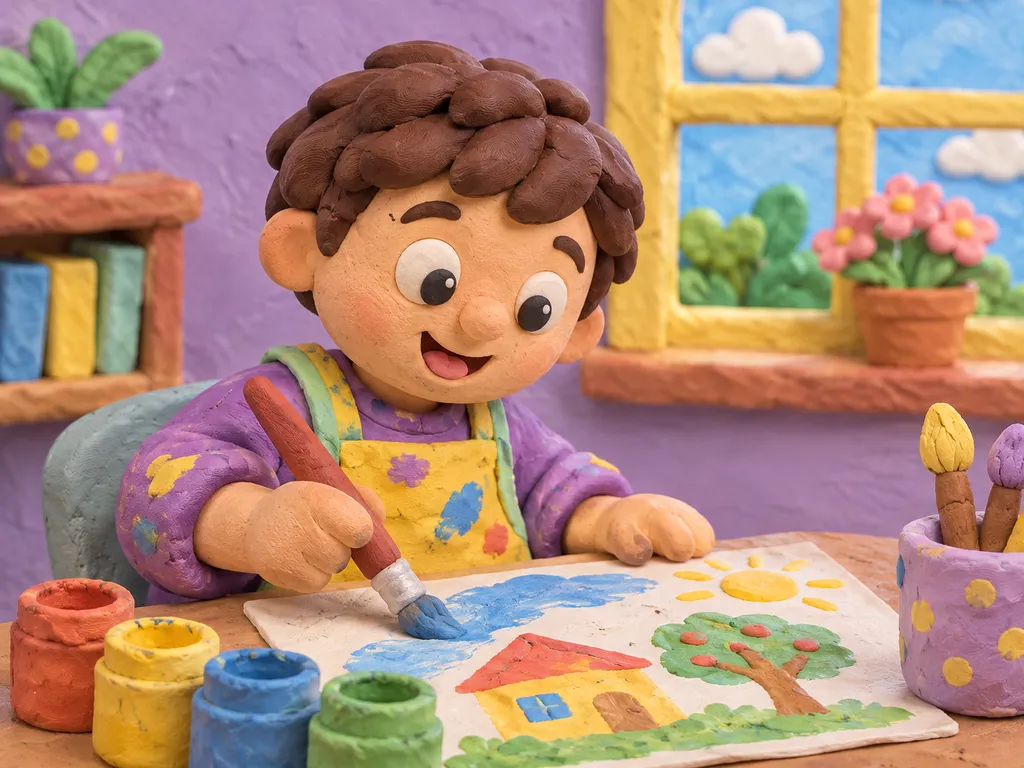
Start with a and an. Put familiar objects or picture cards on a table. Ask your child to name one item with its article: “a pencil,” “an orange,” or “a toy.” Say each phrase aloud to emphasize its opening sound.
Next, teach first and later mentions: “I found a key. The key was under the chair.” Explain that a introduces the object; the refers to the same object. The sequence shows the difference.
Then add general statements without an article: “Cats sleep a lot” and “Milk goes in the cup.” The order in English Articles: Easy Rules for A, An, and The stops children placing a, an, or the before every noun.
Practical Examples for Different Ages
Children can sort pictures into a and an groups. Choose concrete nouns: ball, apple, car, elephant, hat, and ice cream. Accept a phrase before requesting a full sentence.
Children can connect two sentences: “There is a bird in the garden. The bird is blue.” Older learners can compare meanings: “Please bring me a pencil” allows any suitable pencil; “Please bring me the pencil by the notebook” identifies one.
Include natural exceptions and editing tasks. Ask why English uses “an honest answer,” “a European city,” and “the answer to question four.” Children should explain each choice, not guess.
Games That Turn Rules into Speech
Play “What is in the bag?” Put safe household objects in a bag. A child reaches inside and says, “I think it is a spoon.” After removing it, the child adds, “The spoon is small.” Each turn practises introduction and reference.
Try a picture hunt. Ask your child to find “an animal,” “a red object,” and “the largest object in the room.” For consistent practice, build an English routine at home around meals, books, or playtime.
Five-sentence Article Check
Choose a, an, the, or no article: 1) We saw ___ owl. 2) ___ owl was in a tree. 3) My sister wants ___ new bike. 4) ___ books can take us to imagined worlds. 5) Please close ___ window beside you.
Answers: 1) an, 2) The, 3) a, 4) no article, 5) the. Ask your child to explain which clue led to each answer.
Choosing Useful Grammar Tools
A tool for English Articles: Easy Rules for A, An, and The should place article choices inside meaningful sentences. Prefer spoken examples, direct feedback, and tasks progressing from pictures to short dialogues. Avoid isolated blanks.
Match tools to the learner. Younger children benefit from movable cards, toys, and audio. Older children can edit captions, describe photos, or compare sentence versions. In LearnLink lessons, tutors adapt article practice to each child’s speaking level and interests.
Tips for Calm, Steady Progress
Correct one pattern at a time. If your child says, “I have apple,” reply, “You have an apple,” and continue talking. This brief recast provides a correct model without making every sentence a test.
Record repeated errors. Practise three phrases for several days, then revisit them in a new setting. A child who says “an orange” during a card game should use it while preparing a snack or describing a picture.
Multilingual children may transfer article patterns from another language. Treat transfer as part of learning. Contrast complete examples, allow thinking time, and praise the exact choice: “You used the because we already knew which book you meant.”
Quick Recap and Next Steps
Use a before a consonant sound, an before a vowel sound, and the for a specific or known noun. Use no article when plural or uncountable nouns express a general idea. Meaning comes first; spelling cannot decide between a and an.
Practise with objects, pictures, and two-sentence stories. English Articles: Easy Rules for A, An, and The becomes familiar when children hear the forms, choose one, and repeat the pattern in speech.
- Start with familiar objects: name each one with a or an.
- Practice first and later mentions: introduce a noun, then refer to it with the.
- Try short daily rounds: reuse the same pattern in games, stories, and conversation.
For the rule wording, Wikipedia — English Grammar is a useful reference while the practice examples here stay adapted for children.
Frequently Asked Questions
How Can I Explain a, an, and the to a Child?
Say that a and an mean “one, but not a particular one.” The means “the one we both know.” Connect two sentences: “I can see a rabbit. The rabbit is eating.” English Articles: Easy Rules for A, An, and The works best with visible objects and familiar situations.
Why Do We Say “An Hour” but “A University”?
The spoken opening, not the first written letter, determines the choice. “Hour” begins with a vowel sound because the h is silent, so it takes an. “University” begins with the consonant sound “yoo,” so it takes a.
When Should a Child Use No Article?
Use no article for plural or uncountable nouns when speaking generally: “Birds build nests,” “Water is useful,” and “Music helps us move.” Use the for specific meanings: “The birds in our garden” or “the water in this bottle.”
Should I Correct Every Missing Article?
No. Frequent interruptions can make speech feel slow and risky. Choose one article pattern and model the corrected sentence naturally. During a focused grammar task, request another attempt. During free conversation, correct errors linked to the current goal.
How Long Should Article Practice Last?
For younger children, five to ten focused minutes often suits one round. Older learners may work longer with a story, dialogue, or editing challenge. Short sessions across the week are more manageable than one long grammar session.
If your child needs steady speaking practice, start small — choose a trial lesson.
Stay updated on our latest tips and resources by following us on Instagram LearnLink.