100 Most Common English Words for Kids
The 100 most common english vocabulary words for kids cover people, objects, actions, descriptions, food, animals, and social language. Children can follow directions, name objects, and build sentences such as “I see a red bird” or “Please give me water.” The list contains exactly 100 words, but frequency varies by home language, school, age, and interests. Prioritise words your child needs daily.
📥 Core English Words Practice Pack
A curated printable word set with kid-friendly hints, quick practice ideas, and a weekly tracker.
Leave your email — we'll send the PDF to your inbox.No spam — the PDF plus one short reminder. Unsubscribe anytime.
What Families Need to Know
Knowing a word means recognising, saying, and using it. “Apple” becomes practical when a child understands “Take an apple,” asks for one, or describes it as red or green.
Teach the 100 most common english vocabulary words for kids in small, connected groups. Five words used in play beat twenty repeated once. Review older words while adding new ones, and accept pointing before requiring a full sentence.
The Complete 100-word Starter List
This set groups the 100 most common english vocabulary words for kids by meaning. Numbers confirm the count; the final column shows each group’s purpose.
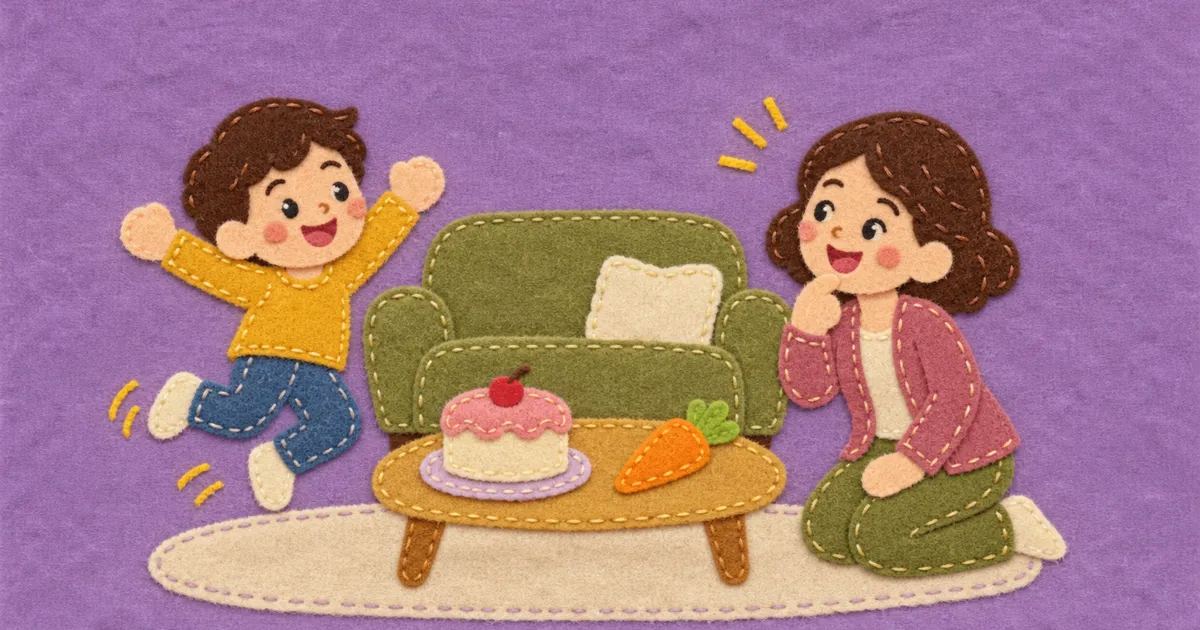
Teach language, not isolated labels. Pair “dog” with “big dog,” “I see a dog,” and “Where is the dog?” In sentences, children meet “be” as “am,” “is,” and “are,” while “thank” appears in “thank you.”
How to Use the List at Home
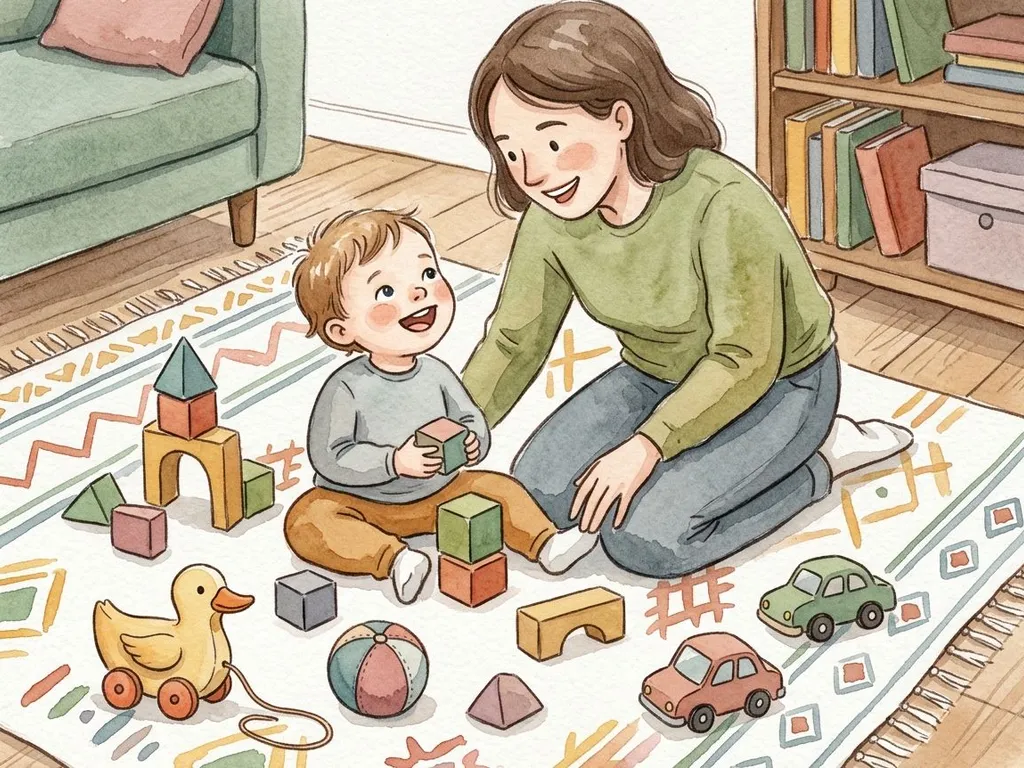
Choose one group and introduce three to five words. Show an item, picture, gesture, or action; say the word; then use a short sentence. When teaching the 100 most common english vocabulary words for kids, end each session while your child remains engaged.
Move from understanding to speaking. Ask, “Where is the blue pencil?” and allow pointing. Next offer “Blue or red?” Then ask, “What colour is it?” This sequence supports recall without making each exchange a test.
Reuse words throughout the week. Practise “in,” “on,” and “under” while storing toys, or food vocabulary during meals. Across LearnLink lessons, our tutors place new words in questions, games, and conversations, giving children varied contexts.
Examples by Age and Stage
Age changes the task, not the list. A younger learner may point to “yellow,” a middle-primary learner may say “The yellow duck is under the table,” and an older learner may explain the duck’s role in a story. Choose a level requiring thought without frustration.
A child who speaks two or three languages may know a concept but lack its English label. Connect the languages, then return to an English phrase. The 100 most common english vocabulary words for kids support beginners of any age without childish tasks.
Practical Activities for Active Recall
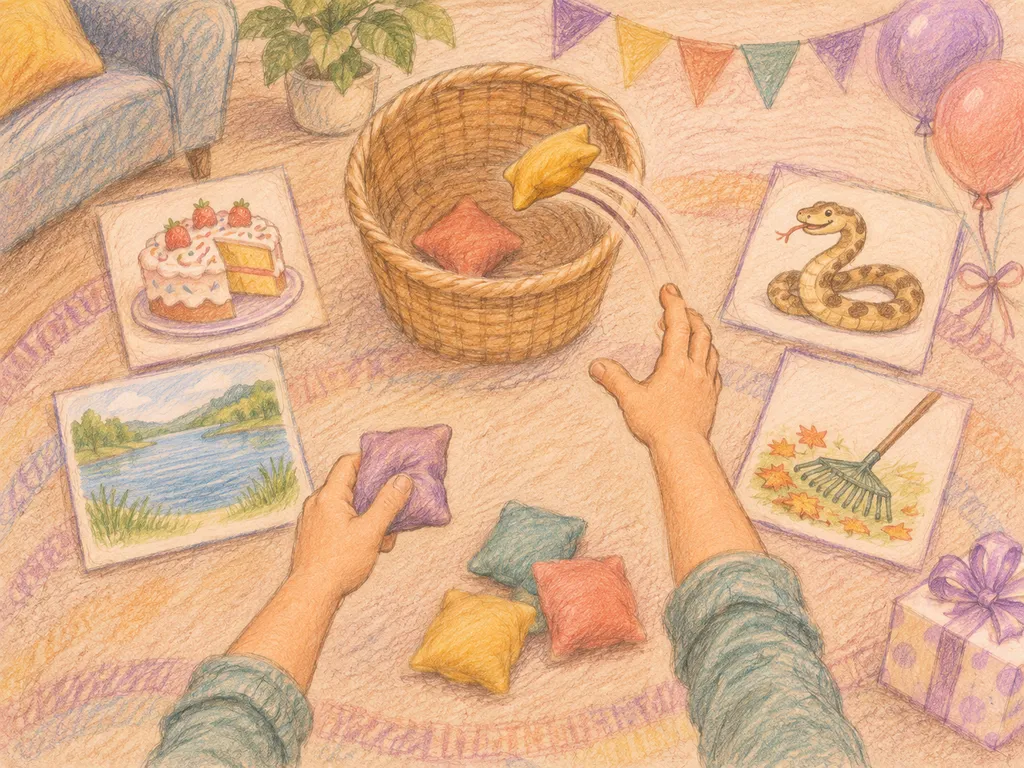
Play “find and say” at home: find something red, point to a door, or place a pencil under a book. For memory practice, put six picture cards face down. After turning over a card, the child says the word or a phrase.
Run a category race with animals, food, and home objects. Name a category and take turns adding words. Older children can add sentences or questions. Correct lightly: model the right form, request one retry, and continue.
Five-minute Word Hunt
Choose five words from one group. Ask your child to find, draw, or act out each word. Hide the list and test recall. Finish with two words in one sentence: “The black cat is under the table.”
Track words your child understands and uses without help. These skills develop separately, so each word may pass through two stages. Review uncertain words after a day, later that week, and during a new game or conversation.
- Practice ten words with children ages six to eight using picture cards.
- Use the 100 most common English vocabulary words for kids in daily games.
- Read one picture book, then ask your child to recall five nouns.
- Hide eight word cards and let your child retrieve each word aloud.
- Review missed words after one day, three days, and one week.
When a word has several meanings or pronunciations, Cambridge Dictionary is a useful check before turning it into child-friendly examples.
Frequently Asked Questions
How Many New English Words Should a Child Learn at Once?
Start with three to five related words. Increase the set when your child uses them confidently. Measure words retained and used later, not words presented. Mix one or two new words with familiar vocabulary to keep practice manageable.
Should My Child Memorise All 100 Words in Order?
No. Numbering confirms the 100-word total, not a teaching sequence or strict frequency ranking. Choose vocabulary matching your child’s routines and interests. Food may come first at home; book, pencil, and teacher may matter when school begins. Revisit every group.
Here are all 100 words in the learning set:
- I
- you
- we
- they
- he
- she
- family
- mother
- father
- friend
- home
- room
- door
- table
- chair
- book
- pencil
- bag
- school
- teacher
- be
- have
- go
- come
- look
- see
- make
- play
- eat
- drink
- big
- small
- good
- happy
- sad
- hot
- cold
- new
- old
- little
- red
- blue
- green
- yellow
- black
- white
- one
- two
- three
- ten
- dog
- cat
- bird
- fish
- horse
- duck
- rabbit
- bear
- lion
- monkey
- water
- milk
- bread
- rice
- apple
- banana
- egg
- cheese
- chicken
- soup
- head
- hand
- eye
- ear
- mouth
- nose
- arm
- leg
- shirt
- shoes
- day
- night
- morning
- today
- now
- here
- there
- in
- on
- under
- what
- where
- who
- how
- yes
- no
- please
- thank
- hello
- goodbye
What If My Child Understands a Word but Will Not Say It?
Understanding supports later speech. Allow pointing, choosing, or acting before requesting an answer. Model a short phrase and invite completion: “The cat is…” Avoid repeated demands. Calm, varied practice strengthens retrieval when the word is needed.
How Can We Practise These Words in Online Lessons?
Share the 100 most common english vocabulary words for kids with the tutor and identify new groups. Practise through picture choices, movement directions, questions, and role-play. Ask which words your child understands or uses independently, then repeat them naturally at home.
Turn the list into language in three steps:
- Start with three to five words linked to one familiar routine.
- Practice each word through pointing, choosing, speaking, and a short sentence.
- Review the same words later in a different game or conversation.
If your child needs steady speaking practice, start small — choose a trial lesson.
Stay updated on our latest tips and resources by following us on Instagram LearnLink.